Internal Medicine Los Angeles Medical Center - Research Track
Program Objective
The Research Track within the Internal Medicine Categorical Training Program seeks to enhance the practice of evidence-based medicine by developing physicians who have a dedication to research and process improvement. A background or strong interest in designing, executing, presenting, and interpreting impactful research is desirable. This is a 3-year program integrated into the internal medicine residency without additional years requirement. The Track helps residents with interest in pursuing a future in leadership, research, academia, and/or advancing to fellowship.
Program Description
The overall program is individualized based on the candidate’s level of experience. At the beginning of internship, participants will engage in an interactive curriculum which will familiarize them with research design and relevant epidemiological methods. They will be introduced to key leaders and research personnel at KPSC and the school of medicine to help them develop a collaborative mindset. Additionally, they will receive instruction and guidance on funding sources for their research and institutional review board approval. They will receive one on one teaching and guidance from KPSC researchers and regional research biostatistical personnel. With the assistance of dedicated mentors, participants will apply lessons learned in the initial curriculum by implementing and completing all these phases of study planning by the end of their intern year. The goal is for them to hatch and lead an independent research project that will be the basis for their research experience and real-world project-based learning throughout the duration of the program.
In the second year, participants will engage in data collection and analyses using Kaiser Permanente’s vast electronic health records under the guidance of a faculty mentor. They will have the opportunity to present preliminary findings at the Kaiser Los Angeles Medical Center’s Research Week, which occurs at the end of the academic year. During this year, they will also participate in a longitudinal curriculum that allows participants to develop a deeper understanding in research methodology including biostatistical methods.
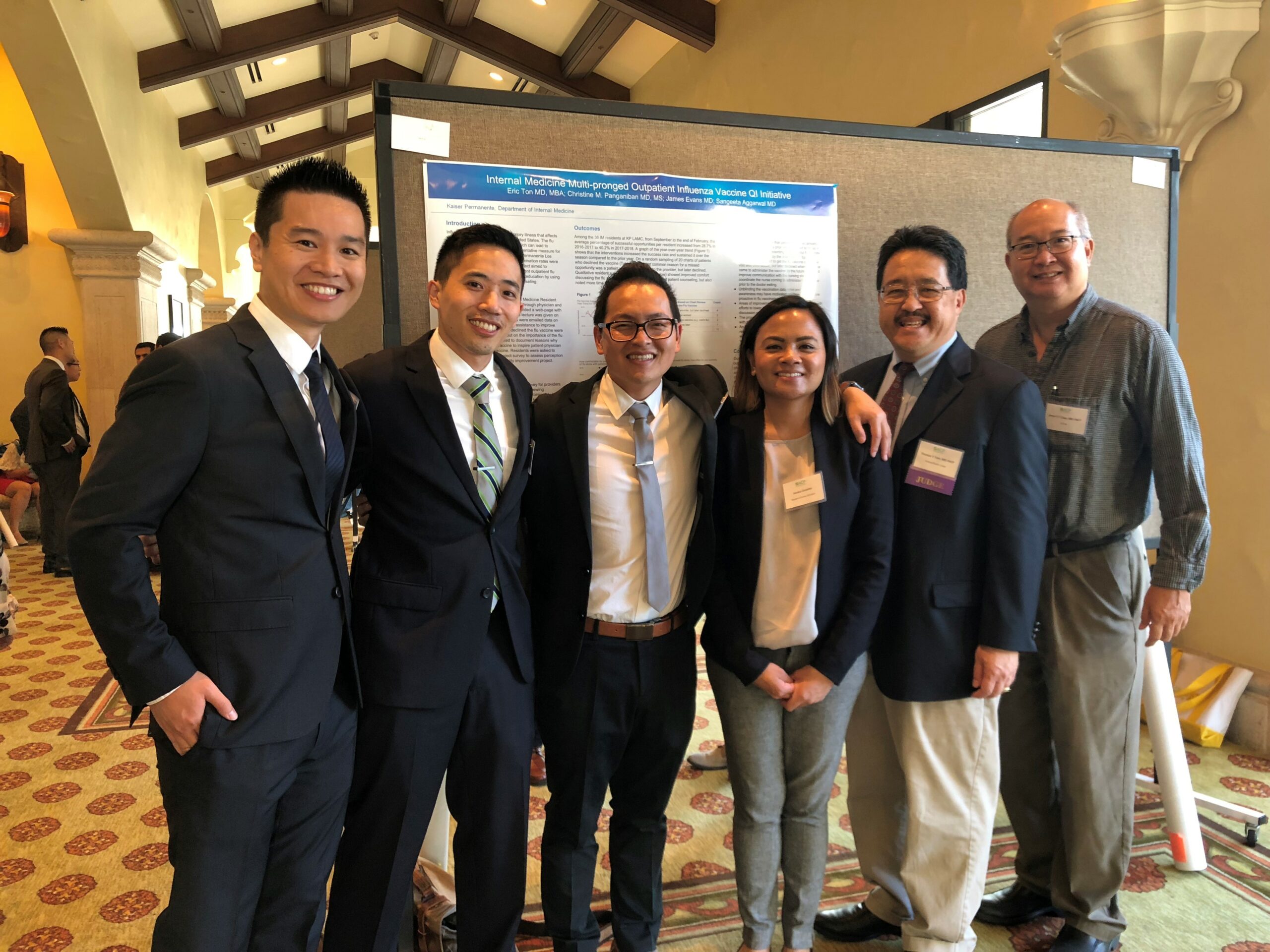
In the third year, participants will complete data analysis, prepare a manuscript of their findings for submission to a peer-reviewed journal, while having submitted abstracts on their research to national or regional conferences. The third-year curriculum will feature topics related to abstract, manuscript, poster, and oral presentations. Throughout the 3 years, monthly research sessions will be held on the first Thursday of each month. These meetings include didactics, project updates, and peer consultations which take place with the track director, faculty, and research track peers.

Commitment and Protected Time
One month-block during intern year will be dedicated to the research curriculum, during which participants will meet mentors, KPSC leadership, biostatisticians, and clinician-researchers to develop an original research project.
Participants will have 2 weeks as protected research time to dedicate to their work during both their second and third years. In addition, monthly half-day protected time is secured for research meetings throughout the entire 3-year residency. There is a longitudinal curriculum consisting of writing and presentation workshops, research roundtables, and dedicated journal clubs. Participants will share their experience and expertise with other categorical residents. Participants will also be expected to be academic leaders in the residency and head journal clubs and assist with department quality and performance improvement projects
Application Process
The Research Track will accommodate one participant per intern class. This position will be offered to a candidate who has demonstrated commitment to research during their undergraduate and/or medical education and is motivated to continue research throughout residency.
Interested candidates may apply to this program through the National Residency Match Program (NRMP). If you have any questions or inquiries, please contact program manager at peggy.x.hung@kp.org or track director at john.j.sim@kp.org.